The Zoo Retreat Strategy: Why Troo Hospitality is Betting on Niche Luxury
Analyzing the operational shift as Troo Hospitality installs specialized leadership at The Reserve at Chester Zoo to blend conservation with high-end hospitality.
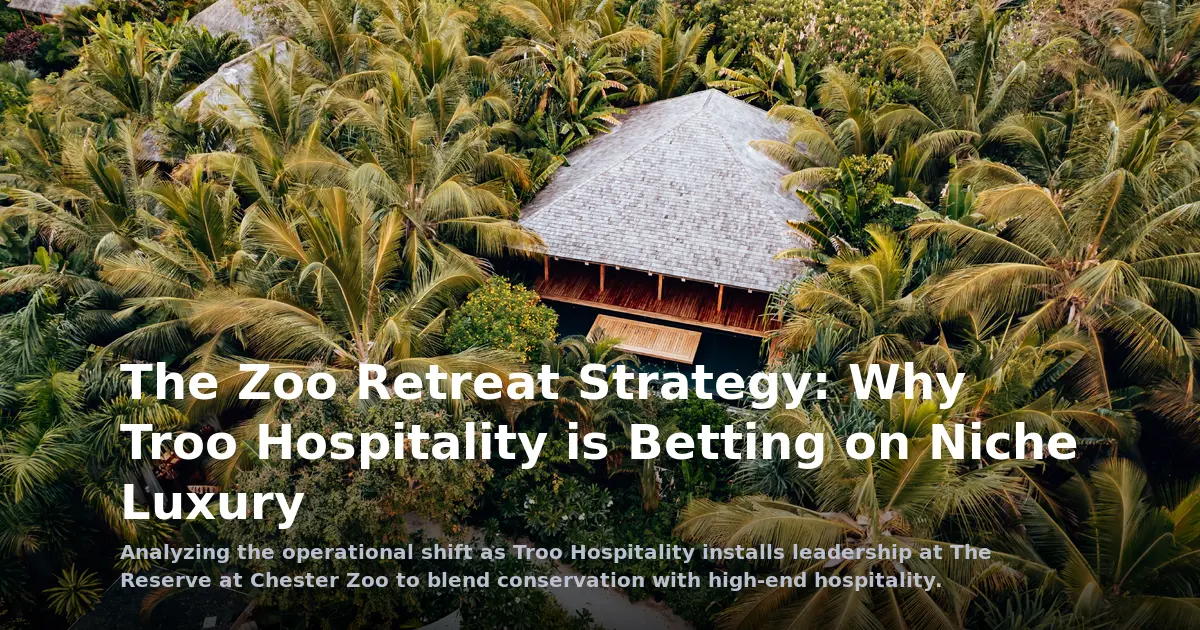
The luxury hotel sector is currently grappling with a paradox: while demand for high-end experiences is surging, the traditional urban luxury market is becoming increasingly saturated and homogenized. In response, a new breed of operational strategy is emerging—one that pivots away from city centers and toward 'destination-integrated' hospitality. The recent leadership appointment at The Reserve at Chester Zoo by Troo Hospitality is more than a routine HR update; it is a signal of a broader shift toward a specialized destination hospitality strategy.
By installing dedicated leadership to steer this unique retreat, Troo Hospitality is attempting to solve one of the most difficult equations in the industry: how to maintain the rigorous standards of a luxury hotel while operating within the logistical and ethical constraints of a conservation-led environment.
The Complexity of the Attraction-Hotel Hybrid
Operating a luxury retreat within a zoological garden is fundamentally different from managing a boutique hotel in Mayfair or a resort in the Cotswolds. The operational friction is high. Guests are not merely paying for a room; they are paying for an immersion into a living ecosystem. This requires a delicate balance where the hospitality experience must enhance, rather than distract from, the conservation mission of the host institution.
From an operational standpoint, this hybrid model introduces unique challenges:
- Logistical Isolation: Unlike urban hotels with easy access to supply chains, destination retreats often face 'last-mile' delivery hurdles and specialized staffing needs.
- Guest Psychology: The target demographic is shifting from the traditional luxury traveler to the 'conscious consumer'—guests who demand high-end linens and fine dining but expect their stay to contribute to a greater environmental cause.
- Operational Synergy: The hotel cannot operate as a silo. It must be seamlessly integrated into the zoo's daily rhythms, meaning the GM must navigate the needs of animal welfare and conservationists alongside those of high-net-worth guests.
Redefining the Destination Hospitality Strategy
Troo Hospitality’s approach suggests that the future of growth for luxury operators may lie in these highly specific niches. Traditional luxury is often defined by exclusivity and distance from the 'ordinary.' However, the new luxury is defined by access—specifically, access to unique, educational, and emotionally resonant experiences.
This destination hospitality strategy differs from the traditional model in its primary value proposition. While an urban luxury hotel sells convenience, status, and service, The Reserve sells a narrative. The operational focus shifts from mere 'guest satisfaction' to 'guest transformation.' The leadership at the helm must therefore be as proficient in storytelling and conservation ethics as they are in RevPAR and occupancy rates.
Furthermore, this model allows operators to bypass the price wars of the urban market. By creating a 'monopoly of experience'—where the hotel is the only way to truly experience the attraction—operators can command premium rates that are decoupled from standard market volatility.
Scalability and the UK Attraction Landscape
The success of the Chester Zoo model provides a blueprint for other UK-based attractions. Whether it is a historic estate, a botanical garden, or a national trust site, the potential for 'integrated luxury' is vast. The scalability of this model depends on the ability of operators to identify attractions that possess both a strong brand identity and a physical environment capable of supporting a high-end retreat without compromising the site's integrity.
However, the risk remains in the execution. If the hospitality element feels like a corporate overlay rather than an organic extension of the attraction, the luxury veneer cracks. The appointment of specialized leadership is the only way to ensure that the service delivery matches the ambition of the setting.
As the industry moves toward a more fragmented and personalized era of travel, the integration of luxury lodging into conservation and cultural hubs will likely move from a niche experiment to a mainstream growth engine. The shift toward these hybrid models suggests that the next decade of luxury hospitality will not be won by those with the biggest buildings in the city, but by those who can curate the most meaningful intersections between luxury and legacy.