The Boomerang Effect: Why Luxury Resorts are Re-Hiring Former Talent
Analyzing how the return of proven alumni, like Naipaporn Panlamoke to Four Seasons Chiang Mai, signals a strategic shift in hospitality recruitment.
In the high-stakes arena of ultra-luxury hospitality, the cost of a 'bad hire' at the executive level is measured not just in recruitment fees, but in the erosion of guest experience and brand prestige. As the industry continues to grapple with a volatile labor market, a distinct pattern is emerging among the world's most prestigious properties: the strategic re-employment of former staff, known as 'boomerang employees.'
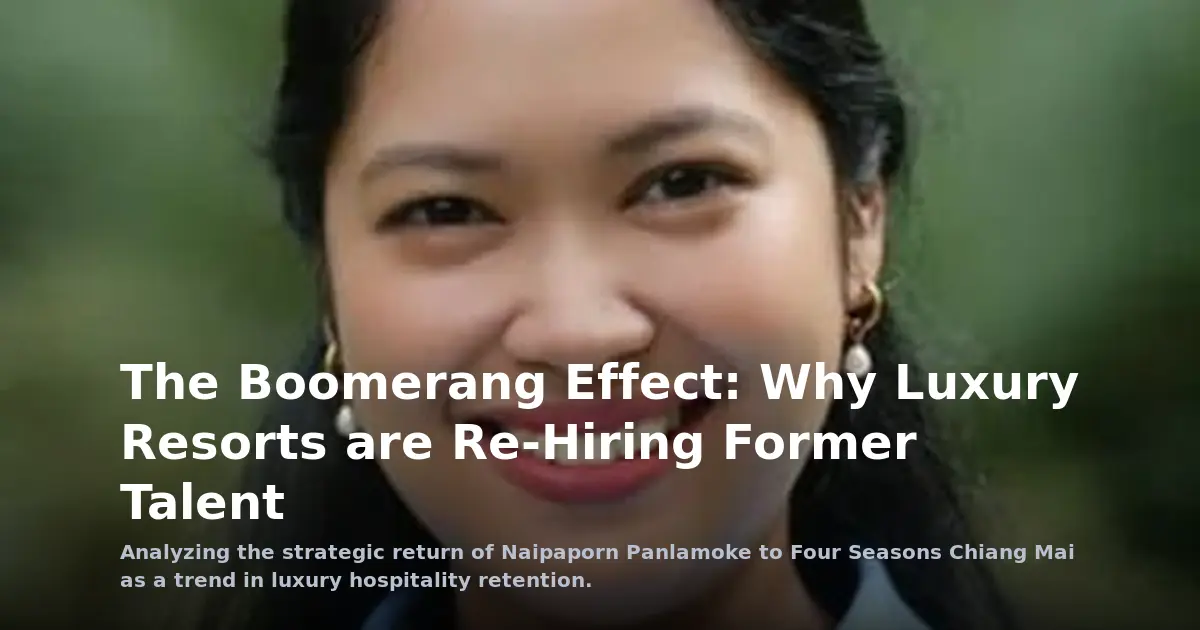
The recent appointment of Naipaporn "Aom" Panlamoke as Director of Rooms at Four Seasons Resort Chiang Mai is more than a standard personnel announcement; it is a case study in risk mitigation. Panlamoke is not a new recruit learning the intricacies of a complex operation; she is a returning architect of the guest experience who previously helped shape the property's standards. In an era where luxury hospitality talent is scarce, the return of a proven entity is a tactical masterstroke.
Reducing the Friction of Onboarding
For most Director-level roles, the onboarding process is a grueling marathon of cultural assimilation and operational alignment. An external hire, regardless of their pedigree, spends the first six months deciphering the unwritten rules of a property's internal politics and the specific nuances of its guest expectations.
Boomerang hires effectively eliminate this 'ramp-up' period. When a leader returns to a former employer, they bring back a potent combination of institutional knowledge and external perspective. They understand the DNA of the brand—the specific way a Four Seasons guest expects their morning coffee or the precise cadence of a luxury check-in—while bringing fresh insights gained from their time away. This reduces the operational risk and ensures that the transition in leadership does not result in a dip in service consistency.
The Economics of Alumni Recruitment
From a fiscal perspective, the shift toward rehiring alumni is a hedge against the escalating costs of executive search firms. External headhunting for luxury roles often involves exorbitant fees and a gamble on whether a candidate's 'culture fit' is genuine or merely performative during the interview process.
By leveraging an alumni network, resorts can bypass the uncertainty of the open market. The 'boomerang' model transforms a former employee into a vetted asset. The hotel knows the candidate's work ethic, their ability to lead a team, and their alignment with the brand's core values. In essence, the property is hiring a known quantity, significantly lowering the probability of a costly leadership failure.
Cultural Resonance and Staff Morale
Beyond the balance sheet, the return of a respected former leader has a profound psychological impact on the remaining staff. In the luxury sector, where morale directly correlates to the quality of service, the 'coming home' narrative creates a powerful sense of stability and loyalty.
When a former colleague returns in a leadership capacity, it signals to the current team that the organization values its people and maintains healthy, long-term professional relationships. This fosters a culture of psychological safety and belonging, which is critical for retaining luxury hospitality talent in a competitive landscape. It transforms the workplace from a stepping stone into a career community.
The Future of Talent Pipelines
As the industry moves forward, the definition of 'retention' is evolving. Forward-thinking luxury brands are beginning to view their former employees not as lost assets, but as an extended talent pipeline. By maintaining open channels with alumni, resorts create a revolving door of expertise that allows them to inject fresh energy into the property without sacrificing the continuity of brand standards.
This strategic pivot suggests a future where the linear career path—moving from one brand to another in a permanent climb—is replaced by a more fluid, cyclical journey. As luxury resorts continue to prioritize hyper-personalization and flawless execution, the ability to quickly deploy leaders who already embody the brand's spirit will become a primary competitive advantage in the global fight for talent.