The Address Collective's Glasgow Gambit: Scaling the Boutique Model
Analyzing the strategic expansion of The Address Collective as they double down on Glasgow's transit-hub hospitality.
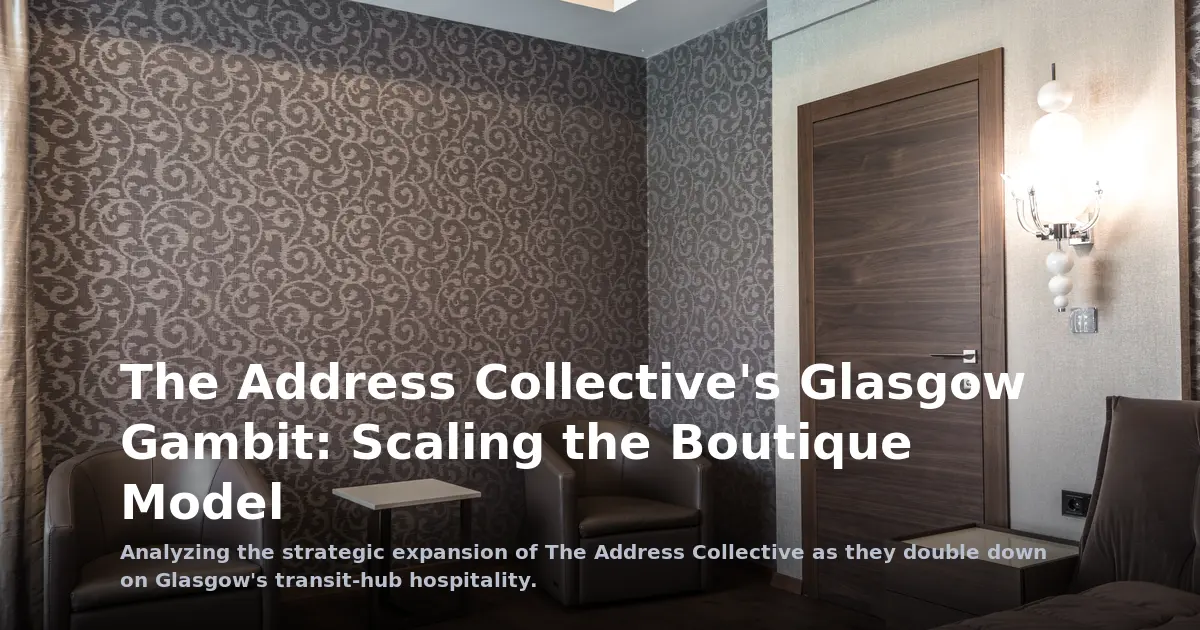
The opening of Address Wren, a 30-bedroom property perched directly above Glasgow Central Station, marks more than just another addition to a portfolio. For the Irish-based Address Collective, it represents a calculated bet on a specific, high-velocity niche of urban hospitality: the transit-hub boutique. With this seventh property now live, the group is moving beyond the 'experimental' phase of its growth, attempting to prove that a micro-footprint model can scale without losing the intimacy that defines the boutique experience.
The Strategic Logic of the Transit Hub
Locating a hotel above a major rail terminus is a classic real estate play, but the Address Collective is applying a modern, boutique lens to it. Traditionally, station hotels were cavernous, impersonal institutions designed for mass throughput. By contrast, the 'micro-boutique' approach—exemplified by the 30-room count at Address Wren—attempts to capture the high-intent traveler who demands the convenience of a hub but the aesthetic and service standards of a luxury independent.
This strategy mitigates several traditional risks associated with boutique hotel expansion. By securing a location with guaranteed footfall and an inbuilt pipeline of arrivals, the group reduces its reliance on expensive digital acquisition channels. The transit hub acts as a physical funnel, ensuring that the property remains top-of-mind for both the corporate transient and the leisure traveler entering the city. However, this proximity is a double-edged sword; the volatility of urban travel patterns and the fragility of rail infrastructure mean that any systemic disruption to the hub immediately impacts the hotel's primary value proposition.
Scaling the Micro-Boutique Footprint
One of the most pressing questions for industry analysts is whether the 30-bedroom model is truly scalable. In the luxury sector, scale usually brings operational leverage—centralized procurement, streamlined staffing, and shared administrative costs. However, micro-boutiques often struggle with 'diseconomies of scale,' where the overhead of maintaining a high-touch service level is spread across too few keys.
By expanding to seven properties, The Address Collective is attempting to find the sweet spot of operational leverage. A cluster of small hotels allows the group to share management talent and marketing resources across a regional portfolio while maintaining the illusion of a standalone, independent operation for the guest. This 'hub-and-spoke' management style is a sophisticated evolution of the boutique model, allowing the group to compete with larger international brands on efficiency while competing with independent inns on soul and character.
Compared to other regional operators in the UK, who often pivot toward larger 'lifestyle' hotels (100+ rooms) to satisfy institutional investors, the Address Collective is swimming against the current. They are prioritizing agility and niche dominance over sheer volume. This approach suggests a belief that the modern traveler is increasingly fatigued by the 'standardized luxury' of big-box hotels and is willing to trade room count for curated authenticity.
Risks and Market Volatility
Despite the elegance of the strategy, the reliance on high-traffic city centers exposes the group to the shifting dynamics of the post-pandemic urban core. The rise of hybrid work has fundamentally altered the composition of transit-hub traffic. The 'Tuesday-to-Thursday' corporate surge is now the primary driver of occupancy, leaving weekends and Mondays as critical gaps to fill.
Furthermore, the boutique hotel expansion strategy requires a precise execution of brand identity. In a 30-room hotel, there is no room for operational mediocrity; a single poor guest experience represents a significant percentage of the daily output. The Address Collective must ensure that as they scale, the 'collective' aspect does not dilute the individual identity of each property.
Looking ahead, the success of the Glasgow expansion will serve as a litmus test for the viability of the micro-boutique cluster. If the group can maintain high ADRs (Average Daily Rates) while keeping operational costs lean across seven distinct sites, they will provide a blueprint for other independent operators looking to scale without selling their soul to a global REIT. The industry is watching to see if the 'transit-hub boutique' is a sustainable evolution of urban hospitality or a high-stakes gamble on the permanence of the commute.